Get a Fleet Insurance quote from our local specialists
Reilly Insurance Agency
What is fleet insurance and who may need it?
Managing multiple business vehicles requires a specific approach to risk management. When a company owns a group of cars, vans, or trucks, individual policies become difficult to manage and often cost more. This is where fleet insurance steps in to simplify the process. It allows a business to cover all its vehicles under a single policy with one renewal date.
Any business operating multiple vehicles for work purposes should consider this type of protection. Plumbers, delivery services, and long-haul trucking companies all face daily road risks. Replacing a totaled work truck or paying for liability claims out of pocket can bankrupt a small operation. Securing commercial auto insurance for your entire group of vehicles ensures that your drivers and assets remain protected while they are on the clock.
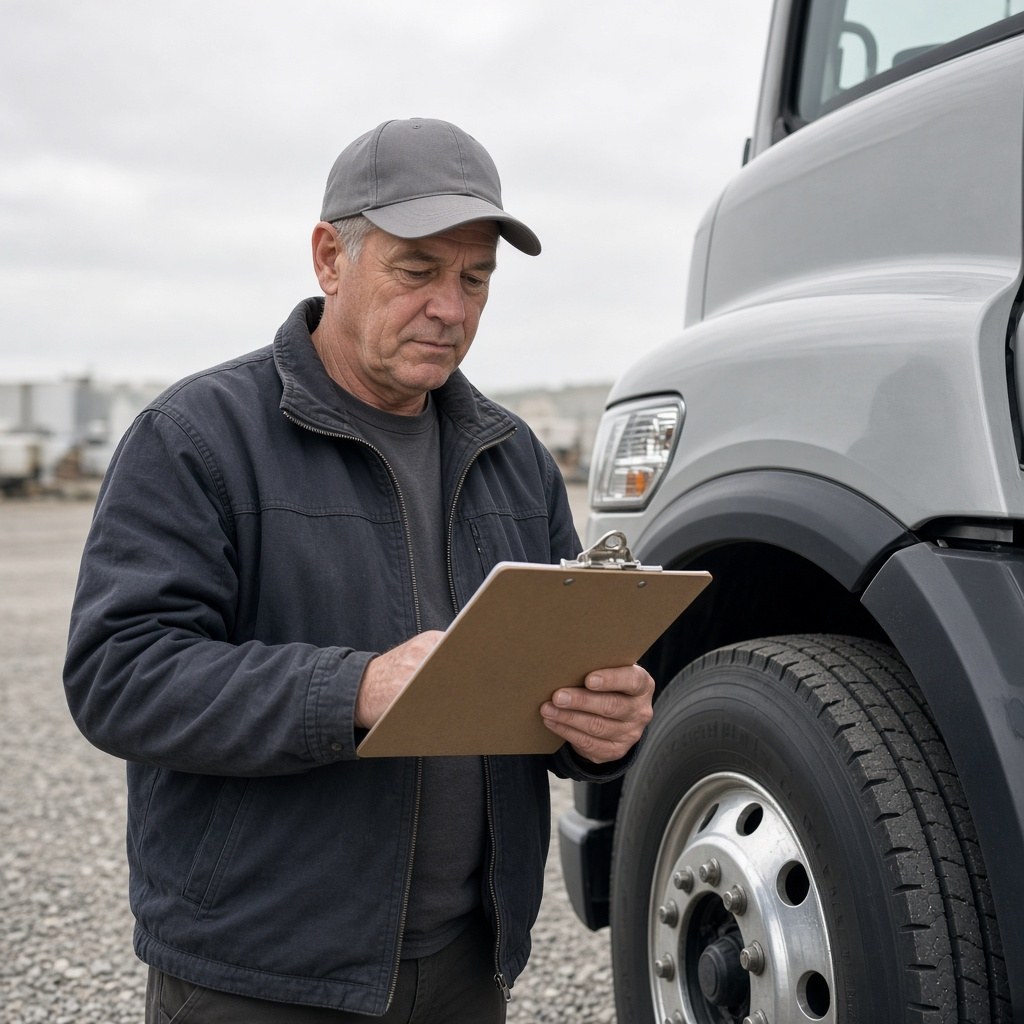
What is a real-world example of fleet insurance protection in Montana?
Looking at local accident data helps illustrate exactly why businesses need strong coverage. Heavy vehicles cause significant property damage and severe injuries when crashes happen. According to Doubek, Pyfer & Storrar, PLLP, the Montana Department of Transportation reported 711 large truck crashes in Montana in 2023. These incidents often lead to complex liability claims that require robust protection.
The severity of these crashes highlights the financial risk for local companies. Of those 2023 incidents, 227 large truck accidents caused injuries, while 18 were fatal, leading to 27 deaths, as documented by Doubek, Pyfer & Storrar, PLLP. Without adequate fleet insurance, a business responsible for such an event would face devastating legal and medical costs.
| 2023 Incident Type | Reported Count | Insurance Impact |
|---|---|---|
| Total large truck accidents | 711 | Triggers property damage and collision claims |
| Accidents causing injuries | 227 | Requires high bodily injury liability limits |
| Fatal accidents | 18 | Leads to severe legal defense and settlement costs |
| Total deaths from fatal accidents | 27 | Maximum policy payouts typically exhausted |
How much does fleet insurance cost in Montana?
Pricing for commercial vehicles varies based on the size of your operation, the types of vehicles you drive, and your loss history. Because heavy trucks carry higher risks, their premiums reflect the potential for severe damage, and every carrier weighs these factors a little differently.
The table below outlines the main factors carriers use to price fleet insurance, along with a recent rate trend for Montana commercial auto policies. Among Montana commercial auto rate filings that changed rates in the last 12 months, the median filed change was +8.2%, according to FilingFocus.
| Rating factor | How it affects your premium |
|---|---|
| Vehicle type and weight | Heavy trucks and tractor-trailers cost more to insure than cars and light vans. |
| Radius and use | Long-haul and interstate routes usually cost more than local service trips. |
| Driver records | Clean motor vehicle records help; violations and young drivers raise rates. |
| Claims history | Past accidents and claims usually lead to higher premiums. |
| Limits and deductibles | Higher liability limits cost more; higher deductibles can lower your premium. |
| Recent rate trend | Median filed change for Montana commercial auto: +8.2% (FilingFocus) |
What should you consider when looking for fleet insurance coverage?
State and federal rules set the minimum limits you must carry on your business vehicles. Montana requires every motor vehicle liability policy to carry at least $25,000 per person and $50,000 per accident for bodily injury, plus $20,000 for property damage, under MCA 61-6-103. If your trucks haul property for hire across state lines in vehicles rated at 10,001 pounds or more, federal rules require at least $750,000 in liability coverage, according to the Federal Motor Carrier Safety Administration. Failing to meet these requirements can result in heavy fines and suspended operations.
Beyond state minimums, you must evaluate the specific limitations of your policy. Standard fleet insurance generally excludes cargo damage, meaning the goods you haul are not protected if a crash occurs. Additionally, personal use of company vehicles might require specific endorsements to ensure drivers remain covered when running personal errands. Always review your policy exclusions to avoid surprises during the claims process.
What other insurance coverages are commonly paired with fleet insurance?
Protecting a business requires more than just covering the vehicles themselves. Most owners build a safety net by combining their auto policies with other standard business coverages. If a driver causes property damage while carrying materials into a client’s building, your vehicle policy will not cover it. You need a separate policy to handle off-road liabilities.
The comparison table below outlines how different policies work alongside your commercial auto insurance to close coverage gaps. Pairing these policies ensures your company survives both highway accidents and job site mishaps.
| Related Coverage | Primary Purpose | How It Complements Auto Policies |
|---|---|---|
| General liability insurance | Covers third-party bodily injury and property damage at job sites | Protects the business when the vehicle is not involved |
| Inland marine insurance | Protects tools, equipment, and cargo while in transit | Fills the gap since standard auto policies exclude cargo |
| Workers’ compensation | Pays medical bills and lost wages for injured employees | Crucial if an employee gets hurt during a crash |
| Commercial umbrella insurance | Provides extra liability limits above primary policies | Kicks in when a severe accident exhausts your auto limits |
















What are key fleet insurance statistics and trends in Montana?
The market for commercial auto insurance continues to shift as accident severity and repair costs increase. Insurers constantly adjust their pricing to match the financial realities of road safety and litigation. According to FilingFocus, the median filed change for commercial auto rates in Montana in the last 12 months was +8.2%. This upward trend means businesses must proactively manage their risk to keep premiums affordable.
To combat rising costs, many companies now install telematics devices in their vehicles to track driver behavior. Monitoring speed, harsh braking, and route efficiency helps reduce the likelihood of crashes. When you can prove to your insurer that your drivers follow safe practices, you gain more leverage during renewal negotiations. Taking road safety seriously is the most effective way to control your overhead expenses over the long term.
Who needs fleet insurance and how can you get a quote in Montana?
This type of coverage is designed for any local business that relies on multiple vehicles to generate revenue. Whether you manage a small group of delivery vans or a large operation of heavy transport trucks, carrying the right policy protects your bottom line from unpredictable road hazards. Consolidating your vehicles under one plan saves administrative time and often provides a more favorable rate than insuring each vehicle separately.
We help hundreds of customers secure fleet insurance and navigate the complexities of state regulations. Our agency maintains a highly rated Google My Business page, reflecting our commitment to honest advice and reliable customer service. We can offer customized quotes without any sort of obligation, allowing you to compare your options pressure-free. Contact our team today to build a policy that fits your specific business needs.
Get a Quote
Share your details with us, and our team of friendly agents will be in touch with you soon!